
When the Maintenance Budget Isn’t Enough: How to Prioritize and Make the Case for More

When budgets are tight, maintenance and reliability leaders have to make tough decisions about where to invest. Learn how to prioritize what matters most, make the most of available resources, and build a stronger case for the funding you need.
The Secret to Smarter Maintenance Scheduling Isn’t More Work, It’s Better Data
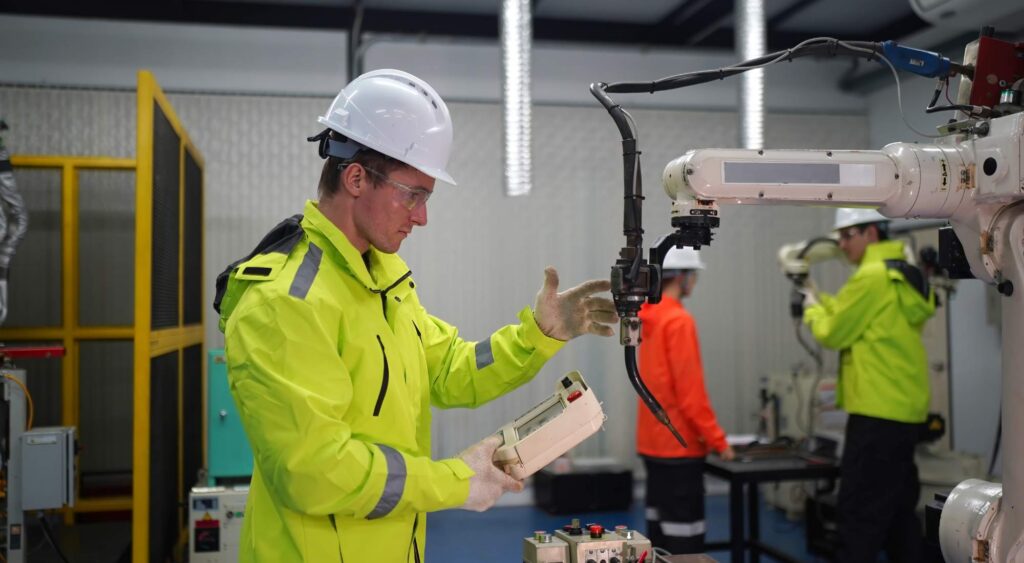
Maintenance planning is more effective when it’s driven by equipment condition, not the calendar. Discover how condition monitoring helps planners prioritize the right work at the right time, reduce unnecessary maintenance, improve resource allocation, and keep production running with fewer unexpected breakdowns.
Stop Guessing: How Condition Monitoring Makes Maintenance Planning Easier

Stop relying on calendar-based maintenance schedules that waste time and resources. Learn how condition monitoring helps maintenance planners use real-time equipment health data to prioritize work, reduce unnecessary PMs, optimize labor, and prevent costly unplanned downtime through smarter, predictive maintenance planning.
Closing the Maintenance Skills Gap: Building the Next Generation of Reliability Professionals
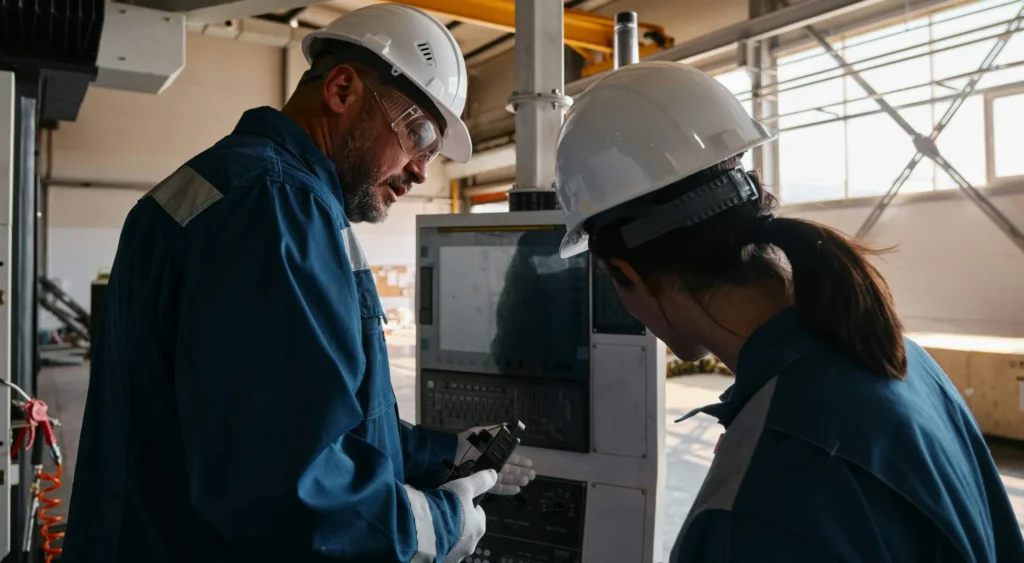
As experienced maintenance professionals retire, manufacturers face a growing challenge: preserving critical knowledge while preparing the next generation of technicians. Discover how condition monitoring programs can do more than detect equipment issues—they can accelerate training, support mentoring, and help build the skills needed to create stronger, more reliable maintenance teams for the future.
Why Condition Monitoring Doesn’t Replace Skilled Technicians, It Makes Them More Valuable
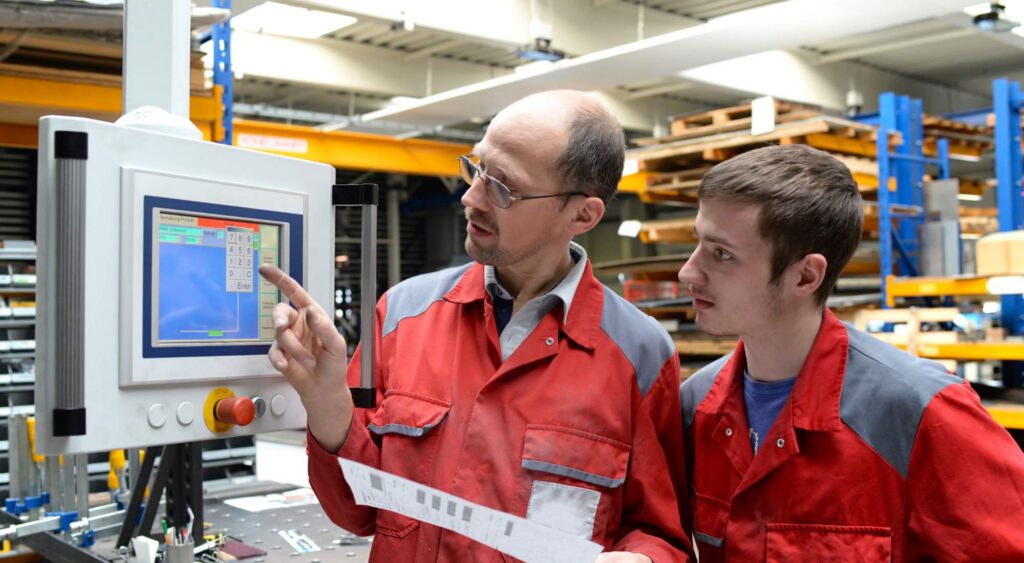
As condition monitoring technology becomes more advanced, skilled maintenance professionals are becoming more valuable, not less. While sensors can detect changes in equipment health, it takes experience and expertise to interpret data, identify root causes, and make informed maintenance decisions. Learn why the most successful reliability programs combine technology, training, and human insight to turn condition monitoring data into meaningful action.
How Wireless Sensors Strengthen Reliability-Centered Maintenance
For many industrial facilities, reactive maintenance has been the norm for decades — responding to failures after they happen and managing the costly consequences that follow. But modern reliability programs are shifting toward a more proactive approach focused on preventing failures before they disrupt operations. In this blog, we explore how Reliability-Centered Maintenance (RCM) and wireless condition monitoring work together to help organizations move from reactive maintenance to predictive reliability strategies that improve uptime, reduce costs, and create smarter maintenance operations.
The Missing Piece in Most Reliability Programs
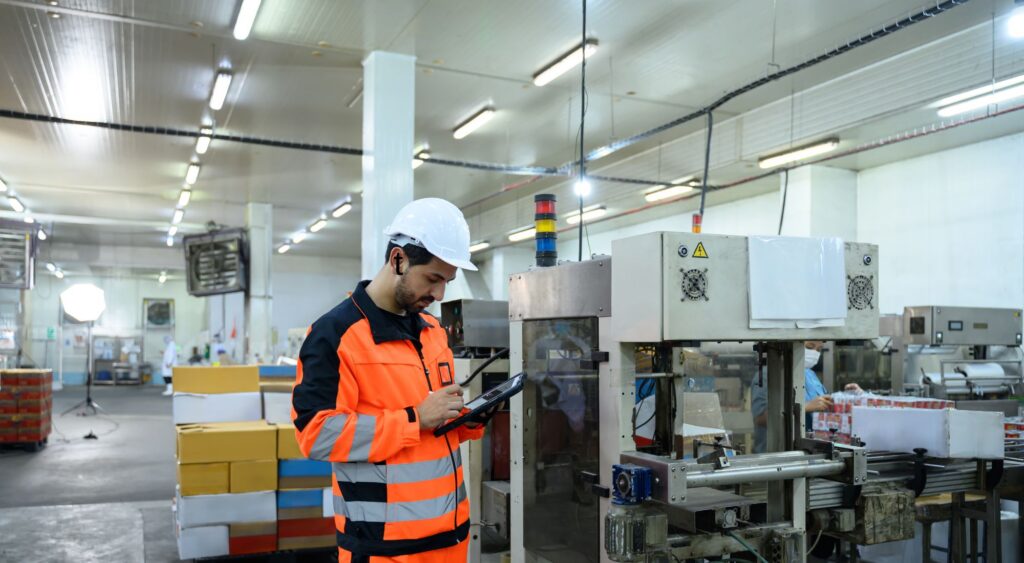
Reliability-Centered Maintenance (RCM) gives maintenance teams a powerful framework for improving reliability and reducing downtime, but strategy alone isn’t enough. Many plants still struggle with reactive maintenance because they lack the real-time asset visibility needed to execute RCM effectively. In this blog, we explore why condition monitoring has become the critical missing link between maintenance planning and real-world reliability performance, and how modern wireless monitoring is helping plants move from reactive to truly predictive maintenance.