
Should Condition Monitoring Be in Your 2027 Reliability Budget?
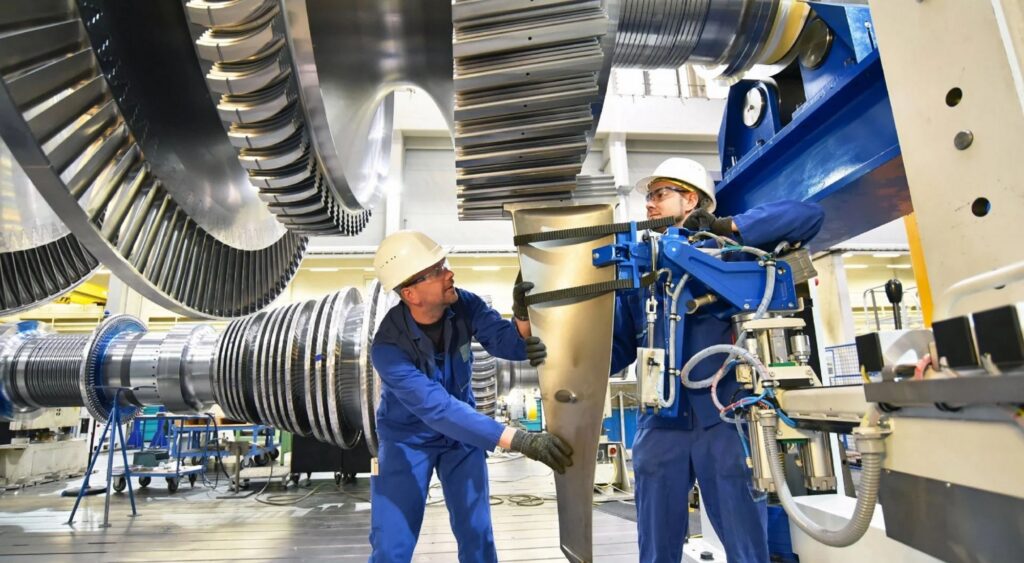
Should condition monitoring be part of your 2027 reliability budget? The answer starts with your biggest equipment risks, not the technology. Learn how to determine where condition monitoring can deliver the most value, build a stronger business case, measure results, and use early insight to reduce reactive work, prevent failures, and give your maintenance team more time to plan and act.
How to Build Your 2027 Maintenance & Reliability Budget

Building your 2027 maintenance and reliability budget shouldn’t mean simply increasing last year’s spending. It’s an opportunity to identify your biggest reliability risks, prioritize proactive investments, and show leadership the value behind every dollar. Learn how to use failure data, asset criticality, and business outcomes to build a budget that reduces reactive work, prevents failures, and moves your maintenance strategy forward.
CAPEX vs. OPEX: How Should You Fund Reliability Improvements?

How should you fund reliability improvements—CAPEX or OPEX? The answer isn’t always straightforward. The cheapest investment today can create significantly higher maintenance costs tomorrow. Learn how to evaluate reliability investments based on total cost of ownership, build a stronger business case, and align CAPEX and OPEX to reduce downtime, prevent failures, and create long-term value.
Reactive Maintenance vs. Predictive Maintenance: An Honest Decision Framework

Every vendor in this space will tell you predictive maintenance is the answer. What they won’t tell you is which of your assets actually need it. Some equipment genuinely justifies the investment in sensors and monitoring. Other equipment doesn’t, and running it reactively is the smarter financial call. This isn’t a pitch to convert every […]
Rotating Equipment Failure Analysis: A Practitioner’s Diagnostic Framework
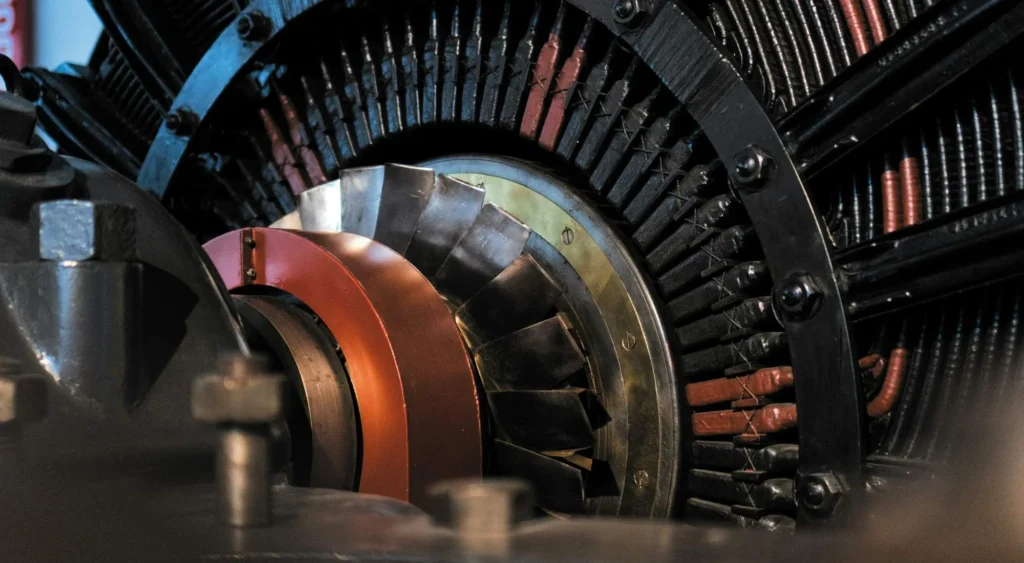
A pump runs fine for three years, then starts vibrating on a Tuesday morning with no warning and no explanation. The maintenance team pulls logs, finds nothing useful, and makes a judgment call: run it until it breaks or shut it down and guess. Neither option is good. Unplanned downtime on critical rotating equipment can […]
Predictive Maintenance Cost Savings: What the Data Actually Shows
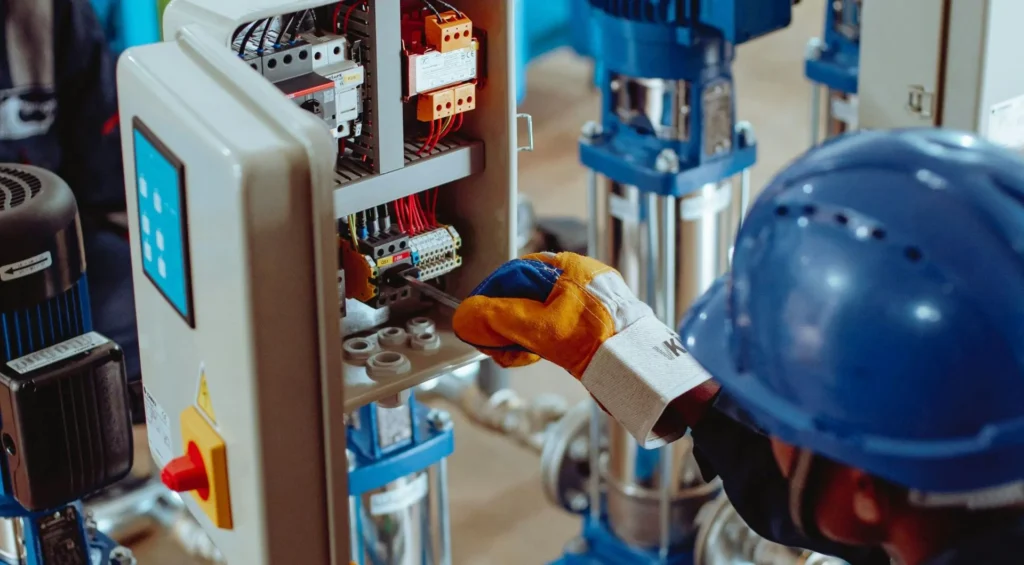
Predictive maintenance has earned a reputation for reducing downtime, extending equipment life, and lowering maintenance costs. But once companies start evaluating condition monitoring systems, one question usually rises to the top: How much money will it actually save? The answer is more nuanced than many vendors suggest. Installing sensors gives you data, not dollars. The […]
Reliability-Centered Maintenance: How To Choose the Right Strategy for Each Asset
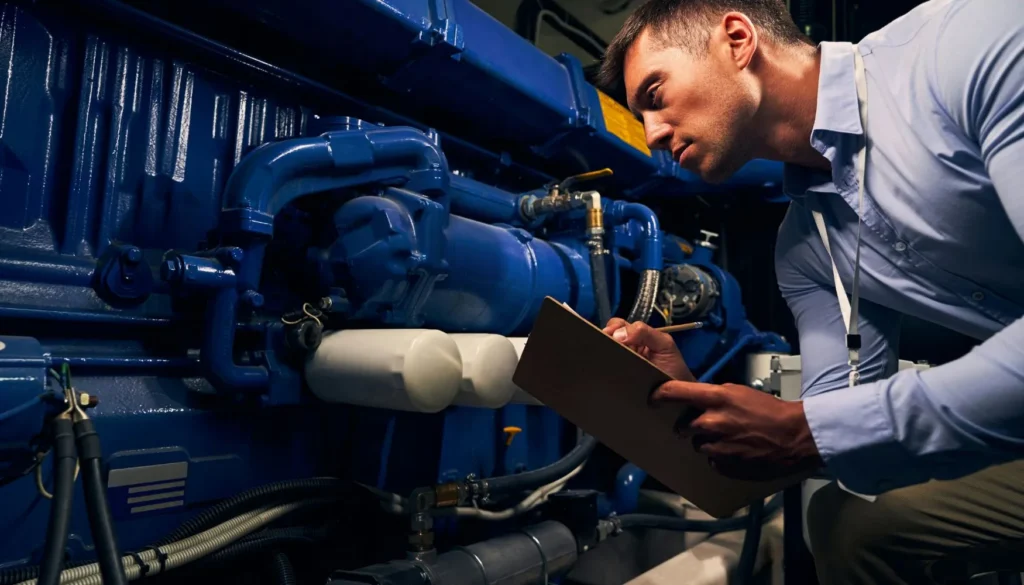
No maintenance team has unlimited time, labor, or budget. Yet many facilities still apply the same maintenance schedule to every asset, whether it’s production-critical equipment or a low-risk support system. The result is predictable: technicians spend valuable hours maintaining assets that don’t need it while more critical equipment may not receive the attention it deserves. […]
5 Lubrication Mistakes That Are Quietly Destroying Your Equipment
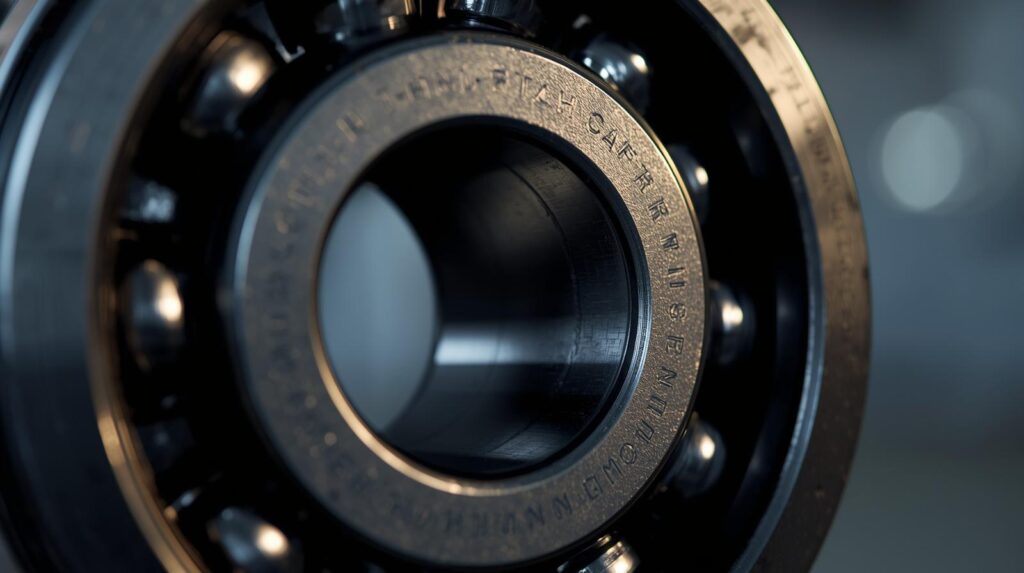
Think your lubrication program is protecting your equipment? Common mistakes like over-lubricating, using the wrong grease, or relying on fixed schedules can quietly shorten asset life. Discover five common lubrication pitfalls and how condition monitoring helps catch problems before they lead to costly downtime.
Your Bearings Aren’t Failing, They’re Crying for Lubrication
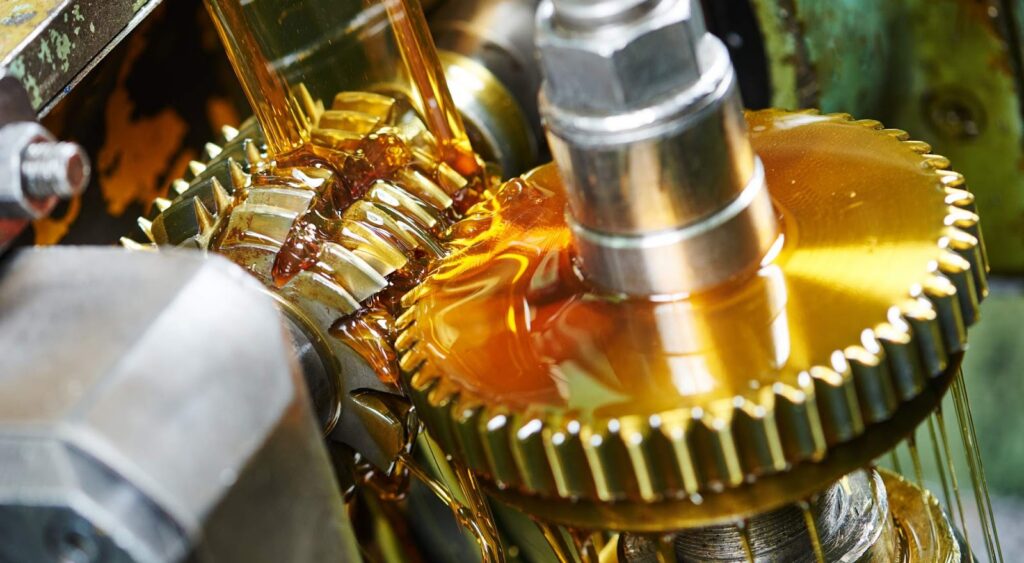
Most bearing failures don’t happen without warning—they often begin with poor lubrication. Learn how vibration, ultrasound, and temperature monitoring can identify lubrication-related issues early, helping maintenance teams prevent failures, extend equipment life, and make smarter, data-driven maintenance decisions.
The Secret to Smarter Maintenance Scheduling Isn’t More Work, It’s Better Data

Maintenance planning is more effective when it’s driven by equipment condition, not the calendar. Discover how condition monitoring helps planners prioritize the right work at the right time, reduce unnecessary maintenance, improve resource allocation, and keep production running with fewer unexpected breakdowns.
Stop Guessing: How Condition Monitoring Makes Maintenance Planning Easier

Stop relying on calendar-based maintenance schedules that waste time and resources. Learn how condition monitoring helps maintenance planners use real-time equipment health data to prioritize work, reduce unnecessary PMs, optimize labor, and prevent costly unplanned downtime through smarter, predictive maintenance planning.
How Condition Monitoring Helps Reduce Downtime With Real-Time Updates
Every maintenance manager has lived through the dreaded scenario where a critical asset fails without warning, production halts, and the scramble begins. Whether you’re running rotating machinery, pumps, compressors, or conveyor systems, you already know that unplanned downtime isn’t a question of if but when, unless you have the right systems in place. Condition monitoring […]