
How Wireless Sensors Strengthen Reliability-Centered Maintenance

For many industrial facilities, reactive maintenance has been the norm for decades — responding to failures after they happen and managing the costly consequences that follow. But modern reliability programs are shifting toward a more proactive approach focused on preventing failures before they disrupt operations. In this blog, we explore how Reliability-Centered Maintenance (RCM) and wireless condition monitoring work together to help organizations move from reactive maintenance to predictive reliability strategies that improve uptime, reduce costs, and create smarter maintenance operations.
Fluke Alternative: UpTime Solutions

If you’ve been searching for Fluke alternatives, chances are something isn’t quite working the way it should. Maybe you’re dealing with a barrage of alerts that don’t lead to clear action. Or maybe you’re wasting valuable time chasing an endless cycle of symptoms rather than getting to the root of the problem.
Route-Based vs Wireless Condition Monitoring: Key Differences, Benefits, and Best Use Cases

Learn the key differences between route-based and wireless condition monitoring, including benefits, disadvantages, and best use cases to improve your maintenance strategy.
How Condition Monitoring Strengthens the “Measure” and “Control” Phases of Lean Six Sigma
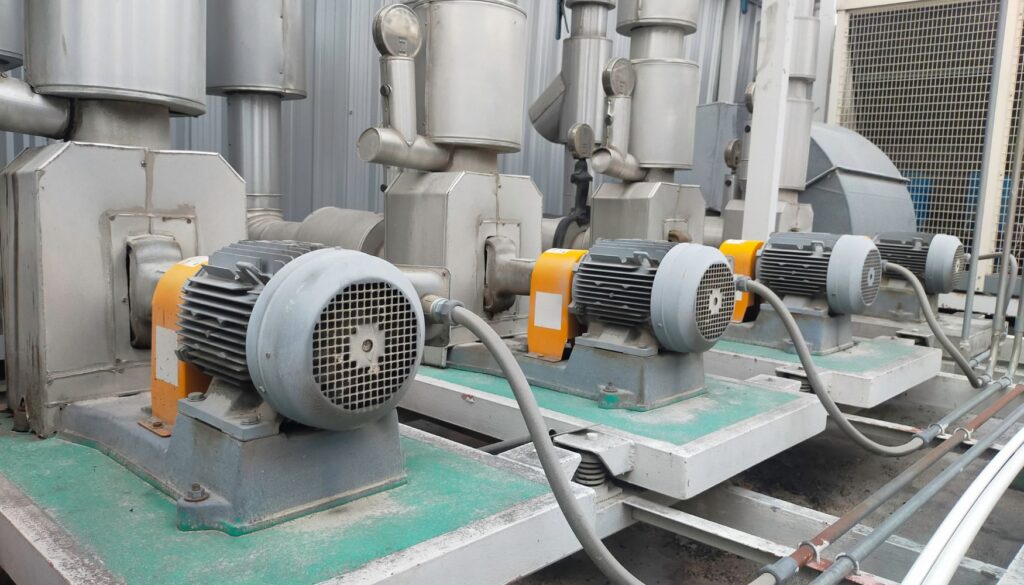
Lean Six Sigma depends on accurate data, but many teams struggle in the Measure and Control phases due to limited visibility into equipment health. This post explores how condition monitoring provides real-time, reliable data that improves measurement accuracy, uncovers true root causes, and helps sustain improvements long after implementation.
Turning Data into Reliability: How Lean Six Sigma and Condition Monitoring Work Together
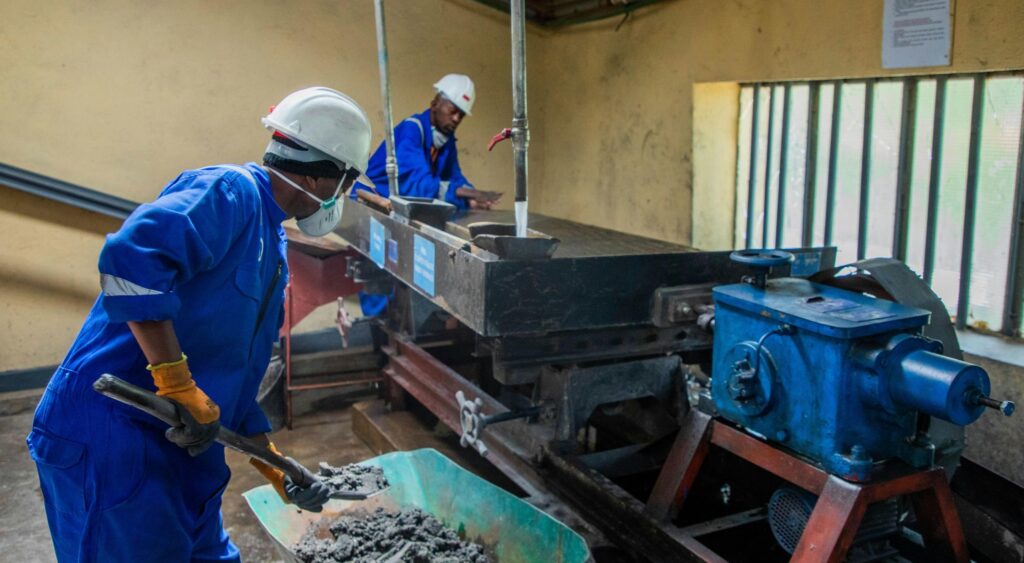
Lean Six Sigma improves processes, but without reliable equipment data, results can fall short. Discover how condition monitoring adds real-time asset insights to reduce variation, prevent failures, and drive truly data-driven reliability.
Culture Is the Best Predictive Maintenance Tool You’re Not Measuring

You can have all the right predictive tools in place and still experience repeat failures. Why? Because technology detects problems—but culture determines whether anyone acts on them. If early warnings are ignored, condition-based work is delayed, or teams don’t feel safe speaking up, predictive maintenance quickly becomes reactive maintenance with better data. The real leading indicator of asset health isn’t just vibration or temperature—it’s how your organization responds.
How Culture Impacts Asset Health More Than Sensors
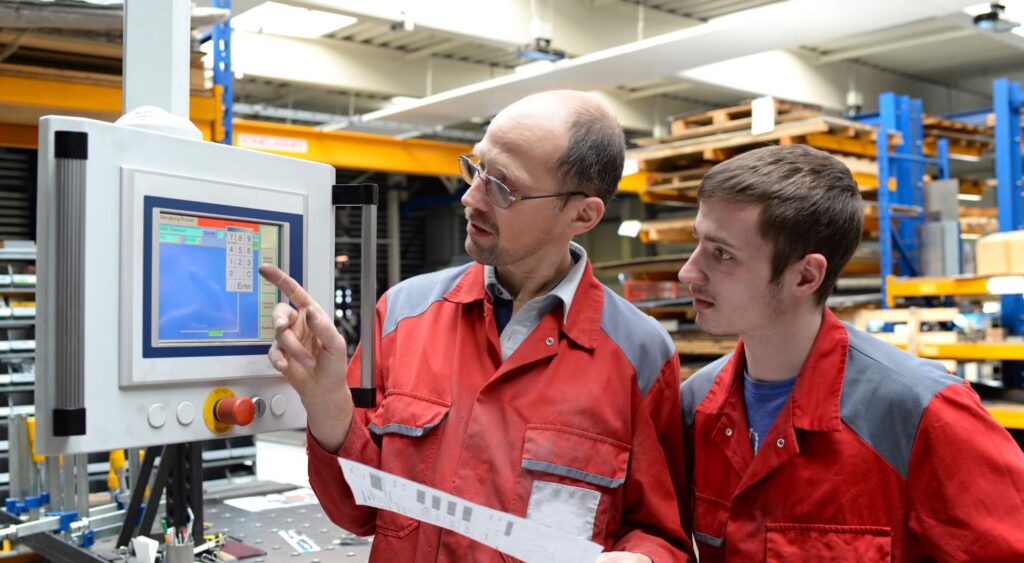
Even in facilities filled with wireless sensors, dashboards, and real-time alerts, unexpected failures still happen. Why? Because asset health isn’t powered by technology alone—it’s shaped by culture. Data can reveal early warning signs, but only people decide what gets prioritized, investigated, and resolved.
Prescriptive Maintenance: Unlocking the Most Advanced Maintenance Strategy

Unplanned equipment failures are costly, disruptive, and often preventable. Prescriptive maintenance takes reliability a step beyond prediction by using real-time sensor data, advanced analytics, and machine learning to recommend the exact actions needed to prevent failures and optimize asset performance. In this guide, we explore how prescriptive maintenance works, its key benefits across industries, and what it takes to successfully implement a data-driven strategy that improves uptime, safety, and efficiency.
Integrating Condition Monitoring Into Your Predictive Maintenance Strategy To Boost Equipment Reliability

Unexpected equipment failures can derail production and drive up costs — especially when traditional, date-based maintenance falls short. By integrating condition monitoring into a predictive maintenance program, maintenance teams gain real-time insights that reveal early warning signs, reduce downtime, and support smarter, data-driven decisions. This guide breaks down how condition monitoring works, the most common techniques, and how it helps organizations improve reliability and extend asset life.
Turning Sensor Data into Maintenance Action

Collecting sensor data is easy. Turning it into maintenance action is where most teams struggle.
Condition monitoring only delivers value when vibration, temperature, and run-time data are used to guide real maintenance decisions—not just populate dashboards. By focusing on trends, integrating data into existing CMMS workflows, and starting with critical assets, maintenance teams can move from reactive repairs to planned, reliability-driven work. This practical approach helps reduce downtime, eliminate unnecessary PMs, and improve asset performance without overhauling the entire maintenance program.
The Top Maintenance Metrics That Drive Better Decisions

Maintenance teams have more data than ever—but more data doesn’t always mean better decisions. When dashboards are overloaded and metrics aren’t tied to action, valuable insight gets lost in the noise. The most effective maintenance organizations focus on a small set of meaningful metrics that directly support reliability, risk reduction, and business outcomes. By combining core maintenance KPIs—like unplanned downtime, asset criticality, and cost by asset—with condition monitoring trends such as vibration and temperature, teams can prioritize the right work at the right time. This data-driven approach aligns with the SMRP Body of Knowledge and helps shift maintenance from reactive task completion to proactive, risk-based decision-making.
Why Data-Driven Maintenance Is Replacing Time-Based PMs
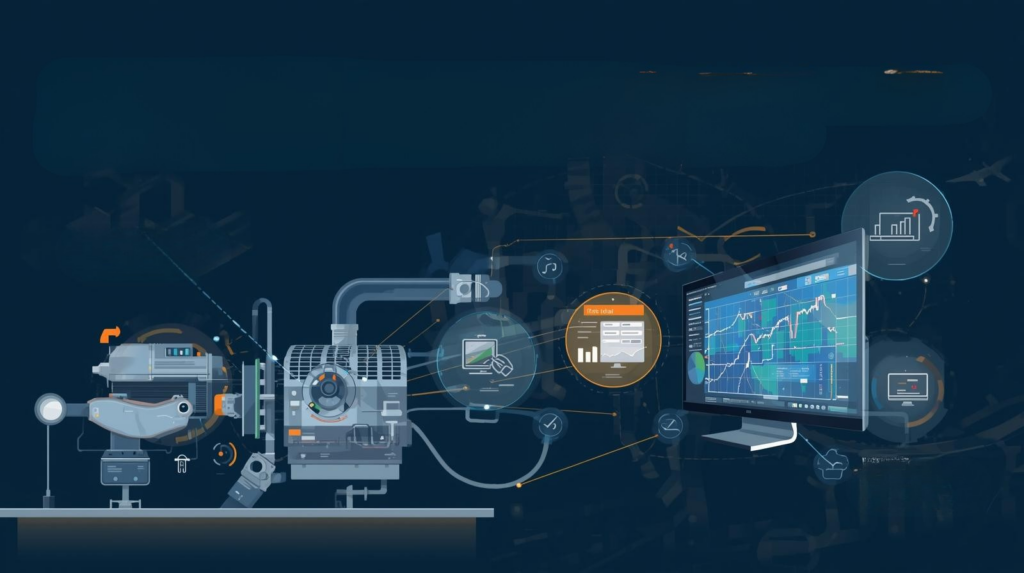
For decades, time-based preventive maintenance has been the default approach—servicing equipment on a fixed schedule, regardless of its actual condition. But across industries, maintenance teams are realizing that the calendar isn’t the best indicator of risk. Most failures aren’t age-based, and time-driven PMs often lead to unnecessary work while still allowing critical issues to slip through.
Data-driven maintenance shifts the focus from “Is it time?” to “What is the equipment telling us?” By using condition monitoring data like vibration and temperature—alongside asset criticality and failure history—organizations can make smarter, reliability-focused decisions. This approach aligns with proven RCM principles and the SMRP Body of Knowledge, helping teams reduce wasted effort, catch failures earlier, and improve uptime where it matters most.