
Understanding the Advantages and Disadvantages of Preventive Maintenance in Modern Operations
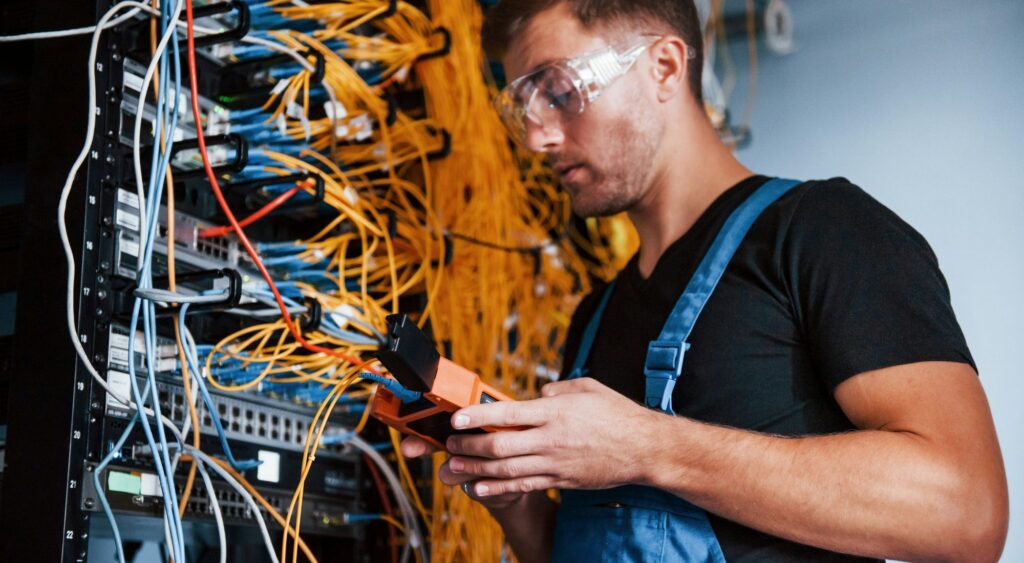
If your company depends on equipment to keep things running, an unexpected breakdown can cause production delays, higher repair bills, and lost productivity. This is why maintenance and operations teams in many industries focus on reducing downtime. A common way to make equipment more reliable is to use preventive maintenance. Servicing equipment on a set […]
Envisioning New Solutions: Examples of Prescriptive Maintenance

Unexpected equipment failures rarely begin with a catastrophic event. In most cases, warning signs develop weeks or months earlier through subtle changes in operating conditions. The challenge is recognizing those signals early enough to intervene before production, safety, or operational continuity is affected. Many organizations still rely on reactive maintenance or fixed service schedules that […]
How Condition Monitoring Helps Reduce Downtime With Real-Time Updates

Every maintenance manager has lived through the dreaded scenario where a critical asset fails without warning, production halts, and the scramble begins. Whether you’re running rotating machinery, pumps, compressors, or conveyor systems, you already know that unplanned downtime isn’t a question of if but when, unless you have the right systems in place. Condition monitoring […]
Closing the Maintenance Skills Gap: Building the Next Generation of Reliability Professionals
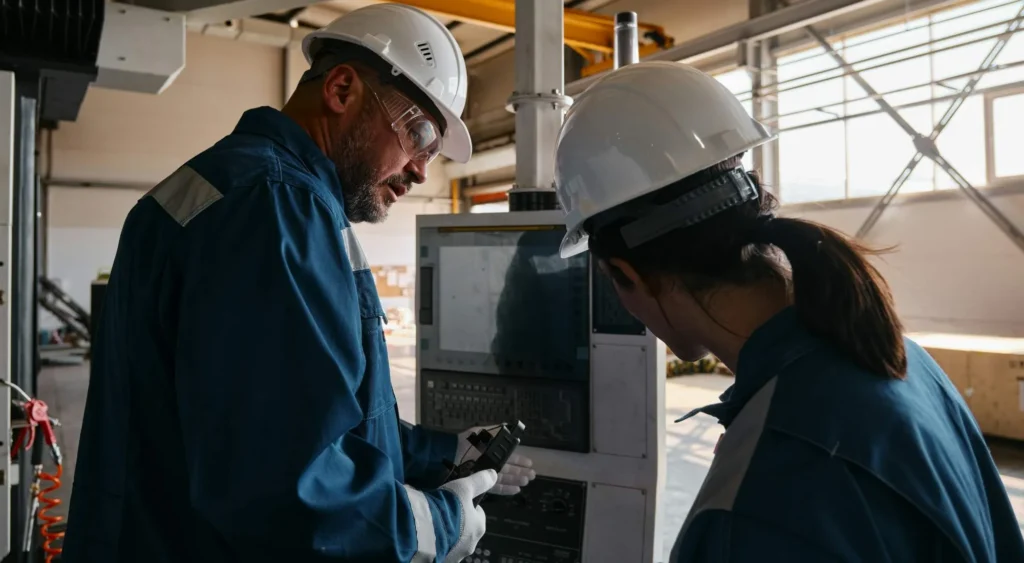
As experienced maintenance professionals retire, manufacturers face a growing challenge: preserving critical knowledge while preparing the next generation of technicians. Discover how condition monitoring programs can do more than detect equipment issues—they can accelerate training, support mentoring, and help build the skills needed to create stronger, more reliable maintenance teams for the future.
Why Condition Monitoring Doesn’t Replace Skilled Technicians, It Makes Them More Valuable
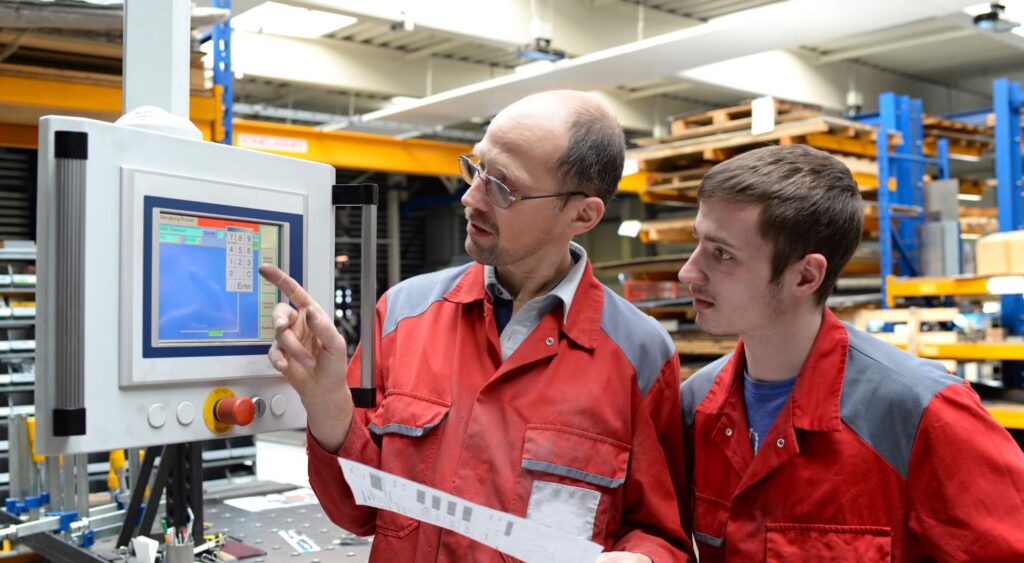
As condition monitoring technology becomes more advanced, skilled maintenance professionals are becoming more valuable, not less. While sensors can detect changes in equipment health, it takes experience and expertise to interpret data, identify root causes, and make informed maintenance decisions. Learn why the most successful reliability programs combine technology, training, and human insight to turn condition monitoring data into meaningful action.
Predictive vs. Preventive Maintenance: Which Strategy Keeps Your Operation Running Strong?

Another machine in your facility is down, and a whole slew of questions suddenly have to be answered. Is the problem electrical or mechanical? How long will it take to fix? Who should you enlist to fix it? Are your employees at risk of injury? How will this affect productivity? When maintenance issues surface, are […]
Predictive Maintenance vs. Prescriptive Maintenance: Spot Problems Early or Solve Them Smarter?

Maintenance strategies have evolved beyond reactive and preventive models toward intelligent, analytics-based approaches, with the most advanced methodologies being predictive and prescriptive maintenance. Both utilize real-time equipment data, sensor technologies, and advanced analytics to improve asset reliability and operational efficiency. While the two approaches share common technological foundations, they differ in functionality, complexity, and level […]
Waites Alternatives: Waites vs. UpTime Solutions for Condition Monitoring
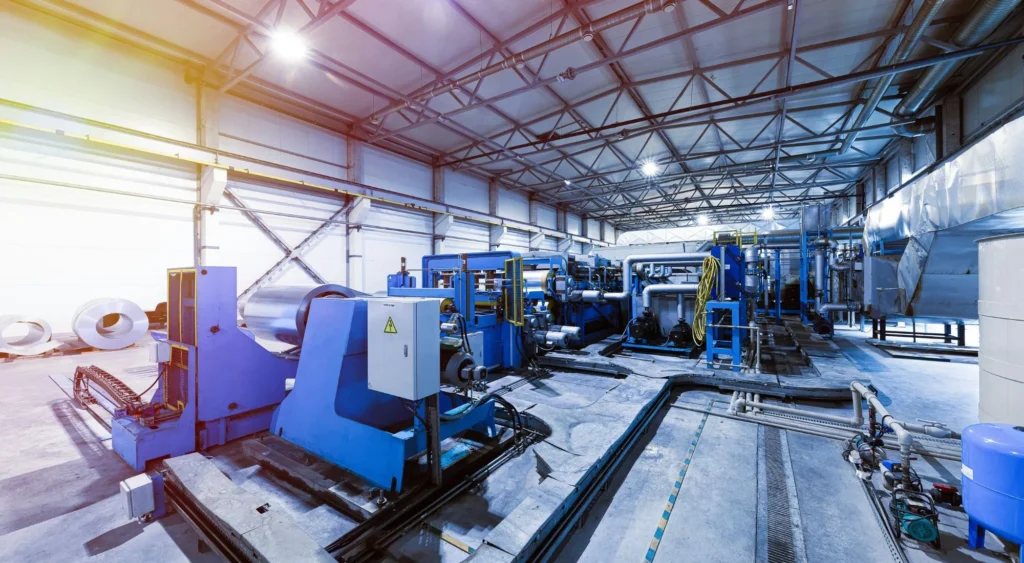
Condition monitoring is widely used in many industries, but the results are not always clear. Sometimes systems add more signals and dashboards, making it harder to know what needs attention. Alert overload is a common problem. When sensors and software send too many notifications without clear priorities, teams struggle to identify important signals. This slows […]
AssetWatch vs. UpTime Solutions: Choosing the Right Condition Monitoring Approach
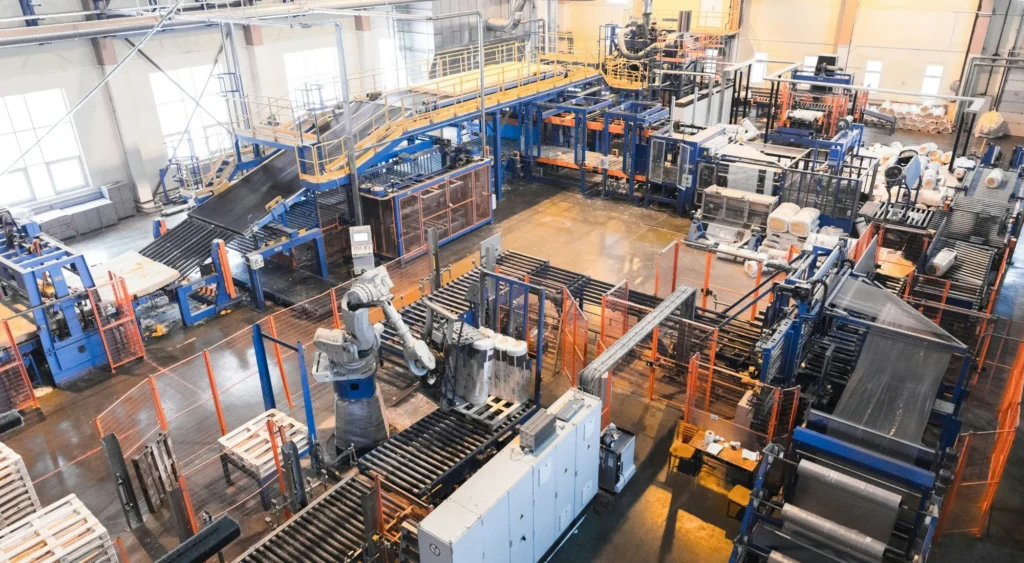
Most condition monitoring programs start with a reasonable idea: put sensors on critical assets, collect data, and catch problems before they cause downtime. However, in practice, it’s a different picture. Alerts pile up faster than teams can act on them, and maintenance engineers spend their shifts chasing notifications instead of doing their jobs. Ironically, the […]
How Wireless Sensors Strengthen Reliability-Centered Maintenance
For many industrial facilities, reactive maintenance has been the norm for decades — responding to failures after they happen and managing the costly consequences that follow. But modern reliability programs are shifting toward a more proactive approach focused on preventing failures before they disrupt operations. In this blog, we explore how Reliability-Centered Maintenance (RCM) and wireless condition monitoring work together to help organizations move from reactive maintenance to predictive reliability strategies that improve uptime, reduce costs, and create smarter maintenance operations.
The Missing Piece in Most Reliability Programs
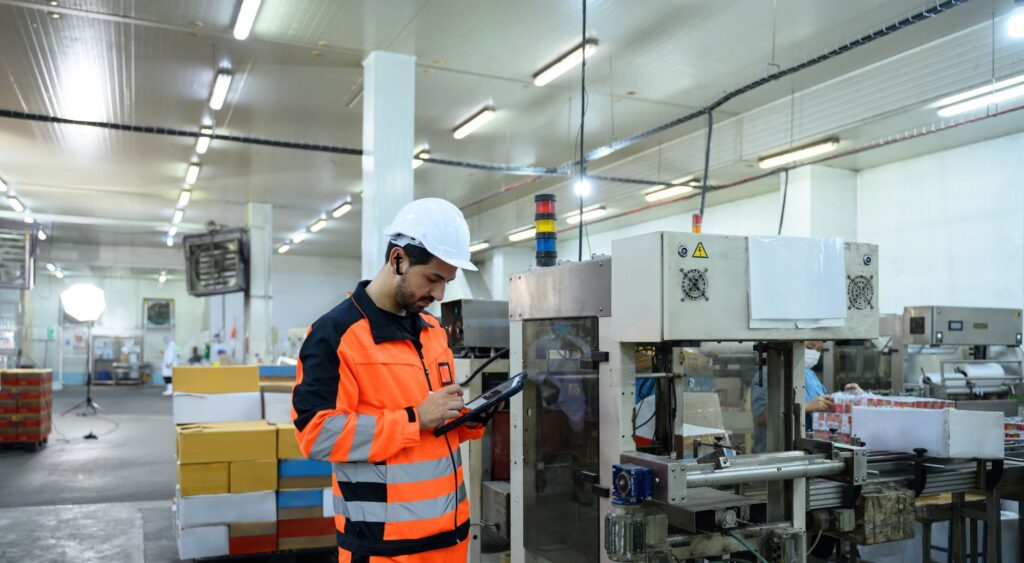
Reliability-Centered Maintenance (RCM) gives maintenance teams a powerful framework for improving reliability and reducing downtime, but strategy alone isn’t enough. Many plants still struggle with reactive maintenance because they lack the real-time asset visibility needed to execute RCM effectively. In this blog, we explore why condition monitoring has become the critical missing link between maintenance planning and real-world reliability performance, and how modern wireless monitoring is helping plants move from reactive to truly predictive maintenance.
Tractian Alternative for Condition Monitoring: UpTime Solutions

Many condition monitoring solutions fall short of delivering real value. Maintenance and reliability teams are often overwhelmed by excessive alerts, forced to chase symptoms instead of root causes, and struggle with fragmented data from multiple sensors.