
Oil and gas maintenance teams work to keep critical equipment running and schedule maintenance when it’s needed. Continuous operation and demanding environments can make that work more difficult, particularly when equipment is hard to access or inspect.
Predictive maintenance in oil and gas uses equipment data to help teams identify developing problems and assess when an asset needs attention. Tracking changes over time gives maintenance planners more information to prioritize inspections and schedule repairs.
This guide explains how predictive maintenance works, which applications can benefit, and what sensor data can reveal. It also covers how prescriptive maintenance builds on those findings to recommend specific actions.
Table of Contents
- What Is Predictive Maintenance in the Oil and Gas Industry?
- How Predictive Maintenance Works for Oil and Gas
- The Benefits of Predictive Maintenance for Oil and Gas Operations
- Oil and Gas Predictive Maintenance Use Cases
- Predictive Maintenance Software for Oil and Gas
- Plan Your Oil and Gas Maintenance Program With UpTime Solutions
What Is Predictive Maintenance in the Oil and Gas Industry?
Predictive maintenance in the oil and gas industry uses condition data to identify developing equipment problems before they lead to failure. Unlike reactive maintenance, which addresses problems after a breakdown, or preventive maintenance, which follows predetermined service intervals, predictive maintenance responds to changes in actual equipment condition.
Sensors continuously track indicators such as ultrasound, vibration, and temperature, allowing maintenance teams to establish normal operating patterns and identify deviations that may indicate:
- Wear
- Imbalance
- Misalignment
- Lubrication problems
- Other developing faults
This approach is especially valuable for oil and gas equipment that operates continuously, under heavy loads, or in remote environments where frequent manual inspection may be difficult.
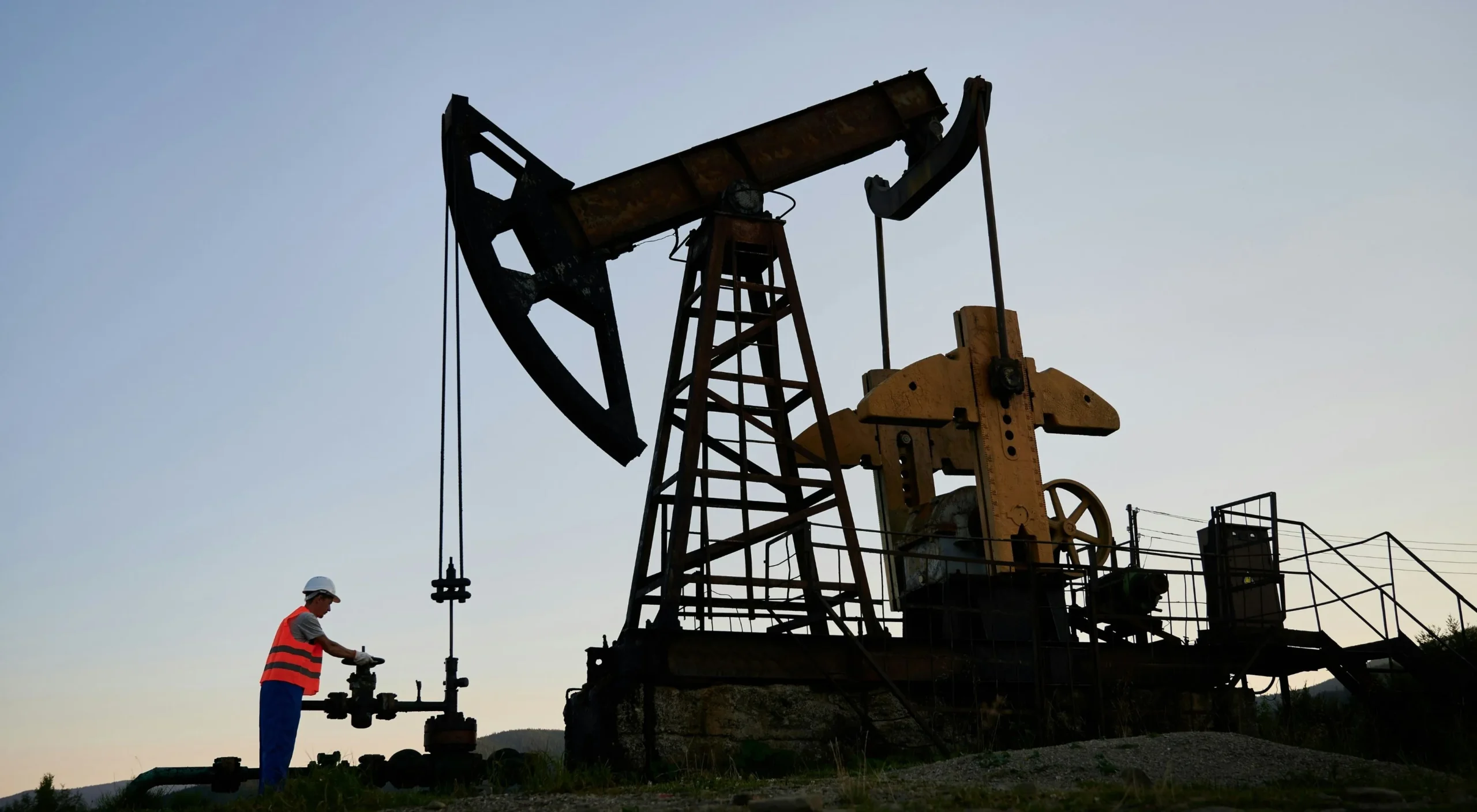
How Predictive Maintenance Works for Oil and Gas
Predictive maintenance for oil and gas companies uses sensor readings to monitor machinery and identify when equipment may be developing a problem. Condition data is collected and sent to software, where concerning changes can be flagged so maintenance teams have information to act on before a breakdown occurs.
UpTime Solutions builds on that process with a complete monitoring system. Mist wireless sensors capture ultrasound, vibration, and temperature data, while the Brick TS1X monitors vibration only. When our software flags concerning readings, UpTime’s vibration analysts review the data. If maintenance is needed, we notify the client, provide recommended next steps, and personally call to explain what is happening.
UpTime also installs the sensors, configures the software, trains facility employees, supports CMMS and EAM integrations, and provides reliability consultations.
What Ultrasound, Vibration, and Temperature Data Can Reveal
For pumps, compressors, motors, and other equipment used in oil and gas operations, ultrasound, vibration, and temperature readings help teams evaluate different aspects of machine condition:
- Ultrasound can reveal high-frequency changes associated with friction, lubrication conditions, and some early-stage mechanical faults.
- Vibration is especially useful for rotating equipment because changes in frequency and amplitude can indicate imbalance, misalignment, bearing problems, looseness, or other dynamic faults.
- Temperature adds context because unusual heat can accompany friction, lubrication problems, electrical issues, or changing loads.
Reviewing these measurements together helps maintenance teams investigate changes in equipment operating under variable loads and demanding conditions. Research on rotating machinery supports using multiple signals to assess progressive degradation, an approach relevant to rotating equipment throughout oil and gas facilities.
The Benefits of Predictive Maintenance for Oil and Gas Operations
Earlier insight into equipment condition gives maintenance teams more control over when and how they respond to developing problems. Oil and gas predictive maintenance can support:
- Greater asset reliability by identifying deterioration before failure.
- Better maintenance planning with more time to schedule repairs, labor, and parts.
- Improved production continuity by reducing unexpected equipment interruptions.
- Longer component life by addressing harmful operating conditions before damage progresses.
Those operational benefits can also translate into substantial financial value:
- Unplanned downtime costs oil and gas companies an average of $42 million annually.
- The average cost of unplanned downtime can reach $125,000 per hour, including lost production, emergency repairs, labor, and potential contractual penalties.
- 82% of companies experienced at least one unplanned downtime incident within three years.

Oil and Gas Predictive Maintenance Use Cases
Predictive maintenance works best where equipment has measurable degradation patterns and failure would create meaningful operational consequences. Rotating machinery is often a strong fit because mechanical changes can appear in condition data before complete failure.
Electrical Submersible Pumps
Electrical submersible pumps operate downhole, where direct inspection is difficult. Condition monitoring can help teams evaluate pump performance using data such as:
- Vibration to identify changes associated with imbalance, shaft issues, and misalignment
- Temperature to track changes that may indicate developing operating problems
- Pressure and motor-current data to provide additional context about pump condition and performance
Because ESPs are difficult to access once deployed, monitoring can provide an early indication that operating conditions are changing before a shutdown is required.
Centrifugal Compressors
Centrifugal compressors are widely used for gas compression, reinjection, processing, and transportation. Their rotating components can develop several conditions that affect performance, including:
- Imbalance in rotating components
- Misalignment between connected components
- Bearing deterioration as components wear over time
- Mechanical or process-related abnormalities that change normal operating behavior
Vibration monitoring helps teams track these changes over time and recognize abnormal behavior before it develops into a larger failure. API standards also address machinery protection systems and compressor classes used in petroleum, chemical, and gas services.
Top Drives and Drilling Equipment
Drilling equipment operates under variable loads, shock, vibration, and continuous mechanical stress. Top drives are especially critical because a failure can interrupt drilling until repairs are completed.
Condition monitoring can help teams track:
- Vibration changes that may indicate developing mechanical problems
- Thermal behavior that can signal changes in equipment condition
- Other operating parameters that provide context for how the system is performing
Research on offshore top-drive systems has also examined real-time health monitoring as a way to identify developing failures before they create nonproductive time. Sensor placement and operating context are especially important because drilling activity itself generates substantial background vibration.
Predictive Maintenance Software for Oil and Gas
Predictive maintenance software gives condition data operational context. A useful platform should help teams view trends, identify abnormal readings, document findings, and connect condition information with existing maintenance workflows.
Integration matters because teams may already use CMMS, EAM, SCADA, or other systems. Condition data is more useful when it supports:
- Work orders
- Asset history
- Inspections
- Maintenance scheduling
UpTime Solutions does not sell software as a standalone product. Our platform is part of a broader solution that includes:
- Sensors
- Installation
- Configuration
- Training
- System integration
- Ongoing monitoring
- Reliability consultation
From Predictive to Prescriptive Maintenance
Predictive maintenance asks whether an asset is showing signs that a problem is developing. Prescriptive maintenance goes further by helping determine what should happen next.
That distinction is central to UpTime Solutions. Our sensors and software collect and organize machine-condition data, while analysts review concerning readings in context. When evidence indicates that maintenance attention is needed, the customer receives information about the issue and gets recommended next steps rather than a raw alert alone.
This human-centered process is designed to reduce alert fatigue and make condition data more actionable. Analysts can also contact the customer directly when a developing problem requires attention.
Plan Your Oil and Gas Maintenance Program With UpTime Solutions
UpTime Solutions combines continuous equipment monitoring with expert analysis to help oil and gas maintenance teams identify developing problems and plan repairs. Our analysts review equipment data and recommend next steps based on their findings.
Schedule an on-site consultation to discuss your maintenance needs, or explore our 60-day Pilot Program to evaluate monitoring on your equipment. Contact us to get started.